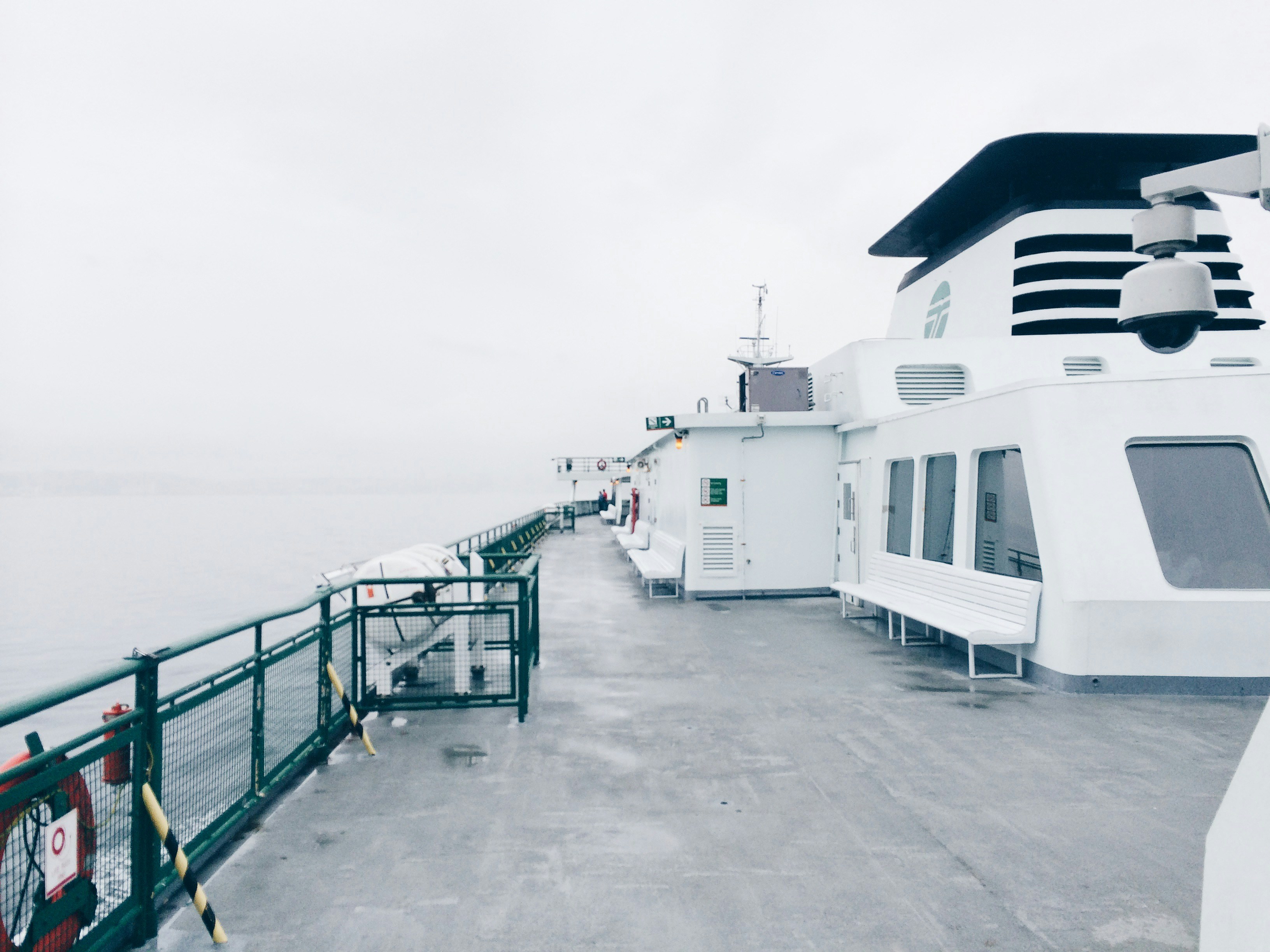
The ferry is the thing people ask about most. When someone first considers making the move from Seattle to Bainbridge Island, the 35-minute crossing over Puget Sound is simultaneously the biggest appeal and the biggest question mark. Will the commute actually work? What does it cost? What happens when I miss the boat?
Having lived this life and helped many clients make this exact transition, I can tell you that riding the ferry is different from any commute you've had before. Whether that's a good thing depends on you — but for most people who make the move, it becomes one of their favorite parts of the day.
The Route: Bainbridge to Seattle
Washington State Ferries operates the Bainbridge Island–Seattle route, one of the most traveled ferry routes in the country. The terminal on Bainbridge is in Winslow, a short walk from downtown. The Seattle terminal is at Colman Dock, right in the heart of the waterfront — a short walk from Pike Place Market, the financial district, and a quick connection to most of the city's transit network.
Crossing time is 35 minutes each way. During peak commute hours, ferries run roughly every 45–60 minutes. Off-peak, the frequency drops but service continues until late evening.
What It Costs
Ferry fares are surprisingly reasonable. Walk-on passengers (the most common commuter scenario) pay a one-way fare in the $10–$12 range, with multi-ride books available at a discount. Monthly commuter passes bring the cost down further — most regular commuters spend in the neighborhood of $150–$200/month on ferry fares alone.
- Walk-on is the move. Most island commuters leave their car at home, walk onto the ferry, and use transit or walk on the Seattle side. It's faster, cheaper, and far less stressful than driving.
- Vehicle fares. If you need to bring your car across, fares vary by vehicle size and season. Expect $20–$30+ per crossing. Most commuters avoid this whenever possible.
- ORCA cards. Loading your ORCA card and using it for ferry fares integrates seamlessly with Seattle's transit network — one tap covers the ferry and connects you to buses and light rail on the other side.
The Commute Experience
Here's the thing nobody tells you before you make the move: the ferry is not like sitting in traffic. It's closer to having 35 minutes of forced, guilt-free transition time between your work life and your home life.
Most ferry commuters describe it the same way: it's the best part of their day. You read, you decompress, you watch the Olympics come into view. You arrive home actually ready to be home.
The boats have seating inside and on the outer decks, a small café, and — on a clear day — some of the most spectacular views you'll find on any commute anywhere in the country. The Olympic Mountains to the west, the Seattle skyline to the east, and the Sound spreading out around you.
Practical Realities
Let me be honest about the challenges, because every commute has them:
- Missing the boat. It happens. When it does, you wait for the next one. This is the adjustment that takes the longest — building in enough buffer that a missed ferry isn't a crisis.
- Weather delays. High winds occasionally cause delays or cancellations, particularly in winter. It's rare, but it's real. Remote work capability is a genuine asset for island commuters.
- Holiday crunch. Ferry lines can get long around major holidays, especially if you're bringing a car. Plan accordingly, or walk on.
- Last boat anxiety. There's a real phenomenon among new island residents: the fear of missing the last boat home. It fades. You learn the schedule, you build habits, and eventually you stop thinking about it.
Hybrid and Remote Work
The shift toward hybrid and remote work has been transformative for the island. Buyers who only need to commute to Seattle two or three days a week find the math changes dramatically — the ferry becomes an occasional treat rather than a daily obligation.
If your work allows any flexibility, the island becomes even more compelling. Many of my clients have negotiated hybrid arrangements specifically because they wanted to make the move to Bainbridge.
Is It Right for You?
The ferry commute self-selects. People who love it tend to really love it. People who find it stressful usually know within the first few months. The honest answer is: spend a week commuting before you buy. Walk onto the 7:10 morning boat, arrive at Colman Dock, get a sense of the rhythm. Then ride the 5:30 back home and watch the city recede as the island comes into view.
If that sounds like something you could do happily for years, Bainbridge Island might be exactly where you belong. If it raises your blood pressure, there are other wonderful communities on the peninsula with easier road connections.
Either way, I'm happy to talk through what makes sense for your situation. The commute question is always the first one — but it's rarely the last.